
Darwin, Australia continues to serve as a significant hub for tourism and local commerce in 2026, but alongside its vibrant economy, the region grapples with various insurance scams that threaten both residents and travelers. These fraudulent schemes are evolving in complexity, targeting unsuspecting policyholders and exploiting loopholes in insurance risks and coverages. With the rising incidence of insurance fraud cases, including Darwin fraud cases involving multi-million dollar scams, awareness and robust scam prevention methods are more critical than ever to safeguard policyholder protection and maintain trust in the insurance industry.
Insurance scams in Darwin are uniquely influenced by the region’s geographic and economic factors, including its bustling airport, popular tourist destinations like Kakadu and Litchfield National Parks, and dynamic rental markets. The modalities of insurance scams 2026 reveal patterns of fraudulent claims ranging from phantom damages on rental vehicles, falsified health insurance claims, and manipulated travel insurance bookings. Understanding the warning signs of insurance fraud is essential not only for consumers but also for insurers adjusting to new scam tactics in a post-pandemic travel resurgence.
Key Highlights:
- Darwin’s tourism and transport hubs are hotbeds for insurance scams, particularly related to rental car damage claims and fake tour bookings.
- Insurance fraud in Darwin often involves cleverly orchestrated false claims that can cost policyholders and insurers significant financial losses.
- Using official, accredited operators for tours and verified rental services is a strong preventative measure against scams.
- Digital bookings with verified payment methods are critical to avoid fraudulent travel insurance manipulations.
- Policyholders must remain vigilant of insurance warning signs, including unexpected demands for additional fees or dubious adjustments to claims.
Understanding the Landscape of Insurance Scams in Darwin Australia
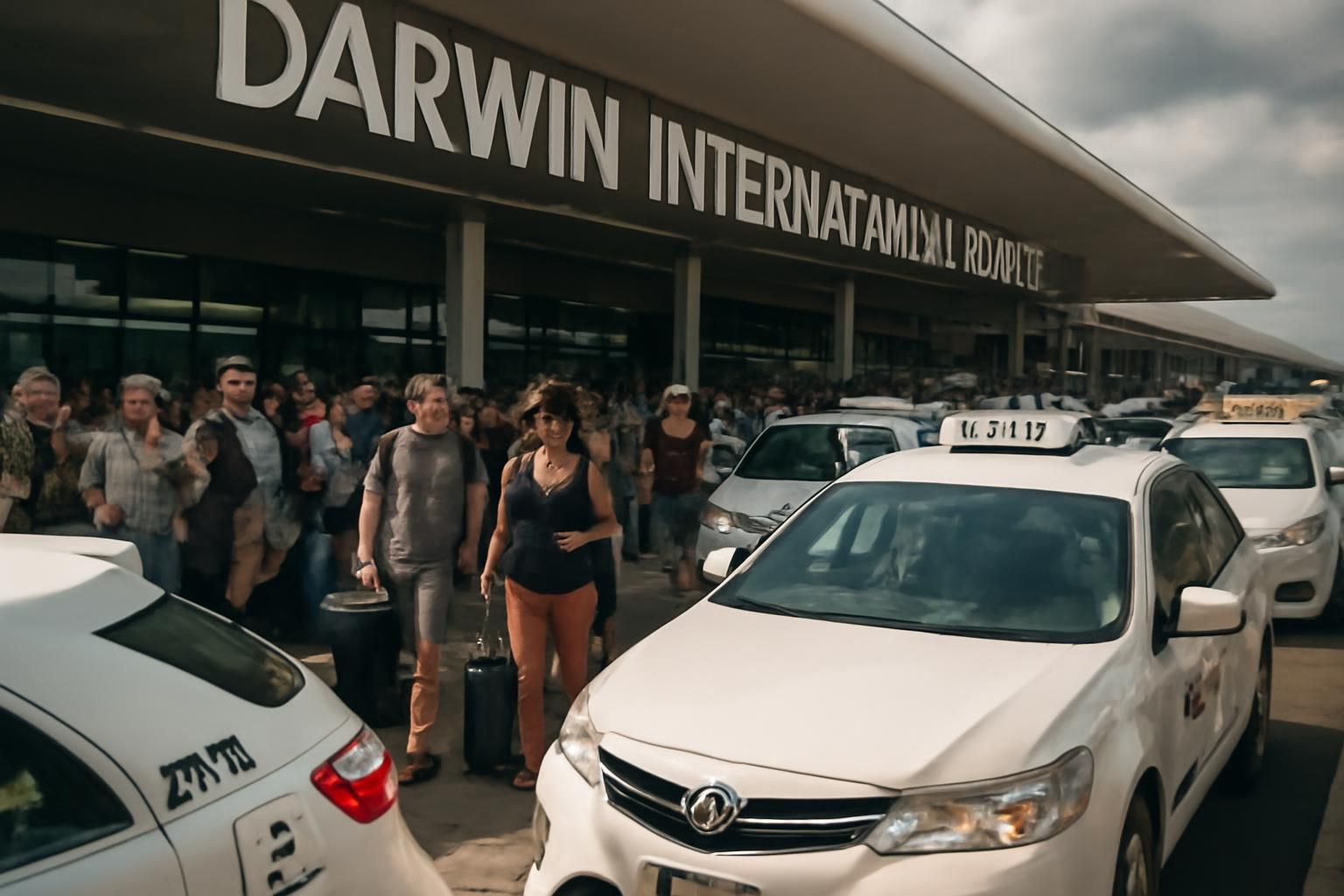
Insurance scams in Darwin stem from a mixture of opportunities created by the region’s unique environment. Darwin Airport’s taxi ranks and the influx of tourists seeking prized experiences in Kakadu and Litchfield National Parks offer scammers fertile ground to deploy schemes. For example, rental car companies have been reported exploiting the extensive unsealed roads around Darwin, claiming unwarranted damages from travelers who are otherwise cautious and careful. These phantom damage claims present a significant insurance risk to policyholders who may find themselves unfairly liable for costs despite thorough documentation and vehicle inspections.
Additionally, insurance scams in 2026 have become more sophisticated with the rise of online booking manipulations. Fraudsters have been using cloned websites with near-identical URLs of established tour operators to trick travelers into paying deposits through direct bank transfers instead of secure credit card methods. This undermines policyholder protection by cutting off the chargeback options usually available in legitimate transactions.
Instances have also been reported where insurance claims connected to Indigenous art purchases at Mindil Beach have been exploited by falsely labeling import goods as authentic art to manipulate insurance valuations. These cases showcase the diverse nature of scams across different sectors in Darwin.
The Darwin public servant arrest over an alleged $5 million NDIS fraud signals a growing trend of sophisticated fraud in various insurance and social support sectors. Such high-profile cases emphasize the pressing need for heightened surveillance and stringent claim verification processes by insurance providers and regulatory authorities highlighting the significance of insurance fraud vigilance.
Common Types of Insurance Scams Impacting Darwin Residents and Visitors
One of the most persistent scams in Darwin involves rental car damage claims. With many visitors renting 4WD vehicles to explore the rugged terrain, some companies exploit policy clauses that void insurance coverage for unsealed roads. Drivers often discover post-trip charges for underbody damage, stone chips, or chassis issues not documented during handover. This form of fraudulent claim can result in thousands of dollars in unexpected fees, devastating policyholder trust. Travelers are advised to record comprehensive video evidence at the time of picking up and returning vehicles and to negotiate contract details concerning unsealed road coverage.
Fake tour bookings via cloned Google Ads sites also continue to be a major issue. Scammers create websites nearly identical to licensed tour operators but redirect payments via bank transfers, disappearing entirely once payments are made. These scams jeopardize travel insurance claims related to trip cancellations or no-shows, leaving policyholders with no recourse for reimbursement.
Another common fraud scenario involves false claims related to insurance coverage for Indigenous artwork. Scammers frequently misrepresent mass-produced goods as genuine Indigenous art worth thousands, applying for inflated insurance coverage or filing fraudulent claims in the event of loss or damage. Verifying artist provenance and purchasing from accredited vendors remains an essential deterrent to such scams.
Fishing and crocodile-viewing charters have not been immune, with fake online listings enticing deposits for tours that never materialize. These fraudulent bookings often exploit travel insurance policies’ trip protection, generating invalid claims once trips fail to proceed. Ensuring tours are booked through accredited providers with verifiable berths is vital to preventing losses.
| Insurance Scam Type | Common Tactics | Impacted Policies | Preventative Measures |
|---|---|---|---|
| Phantom Rental Car Damage Claims | Post-rental repair charges for inconsequential or non-existent vehicle damage | Vehicle Insurance, Deposit Protection | Record vehicle condition on pickup/drop-off, negotiate contract terms |
| Fake Tour Bookings | Cloned websites, direct bank transfers, no-show tours | Travel Insurance, Trip Cancellation | Book only with certified operators, use credit card payments |
| Misrepresented Indigenous Art | Mass-produced items sold as authentic with falsified provenance | Property Insurance, Valuation Claims | Purchase from certified vendors, request provenance certificates |
| Unverified Fishing Charter Bookings | Fake listings, bank transfer deposits, phantom tours | Travel Insurance, Event Cancellation | Verify charter registrations, book via official directories |
Effective Scam Prevention Strategies for Insurance Policyholders in Darwin
Understanding and recognizing insurance warning signs is the cornerstone of robust scam prevention for policyholders in Darwin. These signs include unexpected or inflated claims demands, requests for payments outside of standard procedures (such as bank transfers instead of credit cards), and pressure to agree to additional surcharges without transparent documentation. Staying alert to these red flags can prevent falling victim to fraudulent schemes and suffering financial harm.
For travelers, the strategic use of official channels such as the NT Tourism accredited operators, and avoiding over-the-phone or email booking transactions that demand unusual payment methods, is crucial. Policyholders should insist on clear, written contracts that specify insurance coverages and exclusions, particularly concerning unsealed road conditions or itemized charges.
Policyholders can enhance protection by collaborating with insurance companies that employ rigorous claim verification processes, including GPS tracking and photographic evidence reviews, and engaging with providers who support digital documentation management to reduce manual errors and fraudulent entries.
Education campaigns and resources provided by consumer protection bodies such as the Northern Territory Consumer Affairs offer vital advice on insurance scams and fraud prevention techniques. Additionally, leveraging technological tools like secure payment platforms and mobile apps with fraud detection capabilities further mitigate risk.
The Role of Regulators and Industry in Combatting Insurance Fraud in Darwin
Insurance authorities and regulatory bodies actively confront the challenge of fraudulent claims and insurance scams in Darwin through a combination of surveillance, enforcement, and consumer education. The Insurance Fraud Bureau of Australia, for example, plays a crucial role in investigating and disrupting schemes that inflate insurance risks in the region. Their collaborative efforts with law enforcement have led to arrests related to large-scale fraud cases, strengthening deterrence against future attempts.
The government’s tough stance on insurance fraud helps protect consumers by ensuring that policyholders are not burdened with higher premiums resulting from unchecked fraudulent claims. Darwin fraud cases from 2026 have spotlighted the need for better fraud detection technology and flow of information between insurance companies and regulatory authorities.
Insurers are increasingly adopting AI-powered analytics and blockchain technologies to identify suspicious patterns and verify claim authenticity. These technological advances not only streamline claims processing but also help in preemptively identifying insurance warning signs to reduce losses from scams.
To increase community awareness, authorities encourage reporting of suspicious activities and provide accessible avenues to lodge complaints. Consumers can utilize platforms such as Scamwatch and local consumer affairs portals to report and seek advice. Timely reporting is instrumental in curtailing scam proliferation and aids in prosecuting offenders. For more detailed insights into insurance-related scams and preventive measures, readers can explore authoritative sources like insurance scam prevention resources.
In fighting insurance scams, the combined effort of vigilant policyholders, keen industry players, and proactive regulators forms the strongest defense for Darwin’s insurance market integrity.
Key Insurance Scam Warning Signs Every Darwin Policyholder Should Know
- Unexpected Charges: Sudden demands for fees like “night surcharges” or unlisted additional payments especially after the service has been provided.
- Inconsistent Documentation: Lack of proper invoices, vague claim descriptions, or refusal to provide detailed breakdowns supporting the claim.
- Unverified or Unlicensed Operators: Booking tours or car rentals from companies not registered or accredited by the NT tourism or relevant authorities.
- Pressure to Make Direct Bank Transfers: Requests for payments that bypass secure platforms and lack buyer protections.
- Discrepancies in Vehicle or Property Condition: Claims of damage not captured during pick-up or drop-off, often without photographic proof.
Insurance Scams in Darwin Australia – Comprehensive FAQ
What insurance scams are most common in Darwin for travelers?
Travelers are most susceptible to rental vehicle phantom damage claims and fake tour bookings through fraudulent websites. These scams can lead to unwarranted charges and loss of money, especially if bookings are made via direct bank transfers instead of secured platforms.
How can I verify the authenticity of a tour operator in Darwin?
Ensure the operator is accredited with Northern Territory Tourism, listed in official directories, and has a physical office in Darwin. Avoid operators demanding bank transfers and confirm bookings through verified websites such as northernterritory.com and reputable review platforms.
What steps can I take if I suspect an insurance scam?
Immediately report the incident to your insurer and local authorities. Document all related communication and transactions, cancel suspect payments where possible, and notify consumer protection agencies such as Scamwatch or Northern Territory Consumer Affairs to aid in investigations and prevent further fraud.
Can insurance companies refuse claims if I drove on unsealed roads in Darwin?
Many rental agreements in Darwin void insurance coverage if a vehicle is driven on unsealed roads. It is crucial to clarify these terms before renting and consider supplementary insurance policies that cover unsealed paths, common in regions like Kakadu and Litchfield National Parks.