
Choosing the right insurance in Melbourne, Australia, can be a daunting task given the multitude of options available to consumers today. From health and car insurance to home and life coverage, the choices are extensive, and navigating through policies can often feel overwhelming. Yet, understanding how to select the best insurance policy tailored to individual needs is crucial for financial security and peace of mind. Insurance in Melbourne benefits from a robust regulatory environment and a competitive market, encouraging quality service and innovation. However, this variety also demands that consumers are well-informed and proactive in comparing insurance providers and their offerings. This article delves into the essential factors to consider when choosing insurance coverage in Melbourne, illustrating key points with real-world examples and practical insurance tips to guide your decision-making process effectively.
In brief:
- Understand different insurance types available in Melbourne and how they apply to your lifestyle.
- Compare insurance providers based on coverage details, premiums, and customer service.
- Evaluate insurance policies carefully to avoid gaps in coverage or unnecessary expenses.
- Utilize online tools and resources, like insurance guides, to empower your choices.
- Regularly review and update your insurance plan to reflect life changes and market developments.
Understanding Different Types of Insurance Coverage in Melbourne
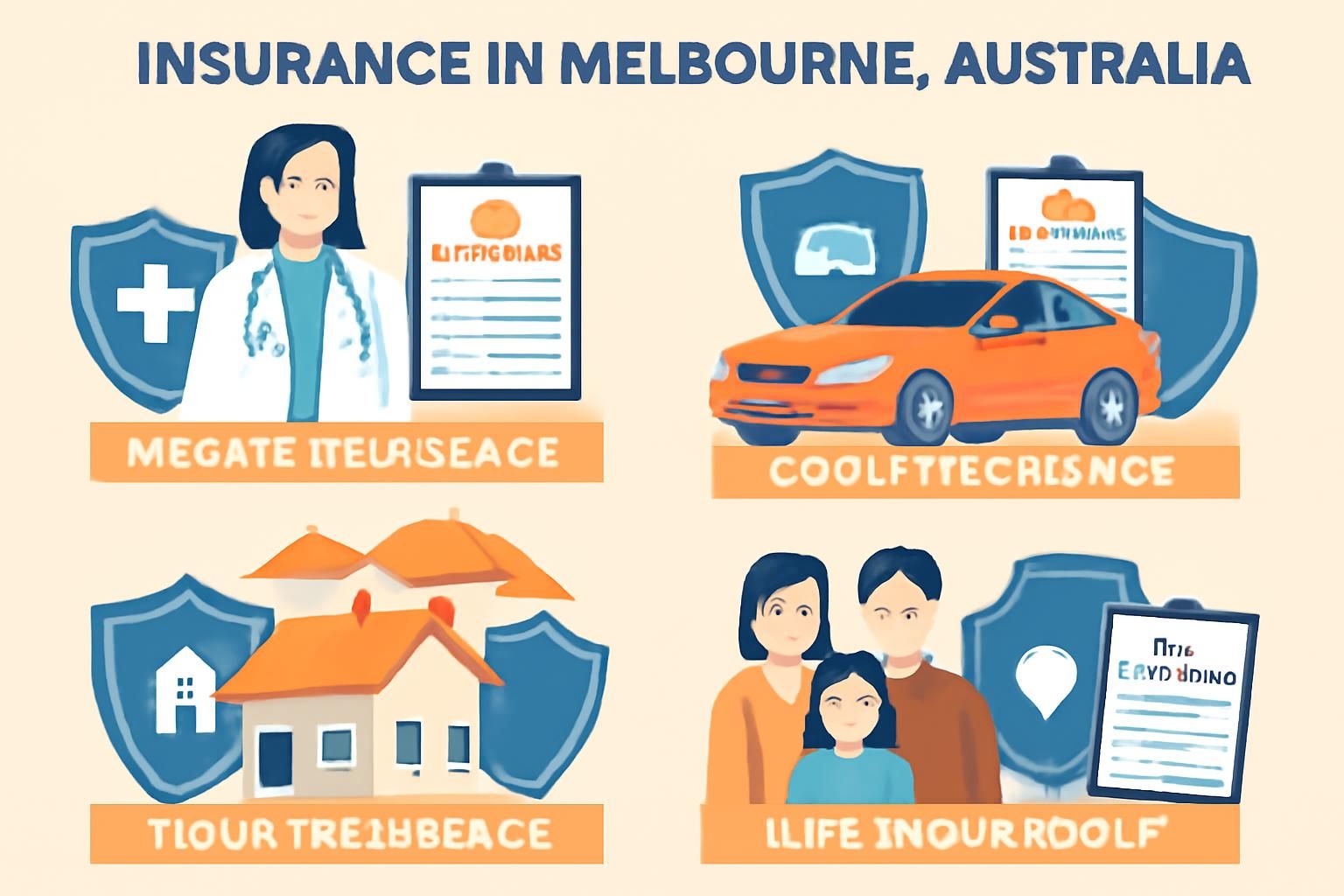
Insurance in Melbourne covers a wide range of sectors including health, property, motor, life, travel, and business insurance. Knowing the ins and outs of these coverage categories is the first step in selecting the best insurance. For instance, health insurance in Australia is influenced heavily by Medicare, the government-funded healthcare system, which mandates some baseline coverage. Private health insurance policies then offer additional services like dental or physiotherapy that Medicare might not fully cover.
Motor insurance is another major concern for many Melburnians, especially with the city’s bustling roads and diverse climate conditions. Comprehensive motor insurance provides coverage not only against damages caused by accidents but also theft and natural disasters, a common risk given Australia’s unpredictable weather. Third-party property insurance, while generally cheaper, offers limited protection and is suitable mostly for those with lower-risk vehicles or budgets.
Homeowners and renters benefit from tailored insurance policies that cover everything from fire and flood damage to accidental break-ins and personal liability. Since Melbourne is prone to occasional flooding and storms, evaluating the detail of property insurance coverage is vital. For business owners, insurance extends to public liability, worker’s compensation, and product liability, safeguarding enterprises against a multitude of risks.
Life and income protection insurance play critical roles in long-term financial planning. Life insurance provides financial support to one’s dependents in case of death, whereas income protection maintains income flow during periods of illness or injury. Choosing policies with clear definitions of coverage triggers and exclusions ensures that beneficiaries receive the expected benefits when needed most.
Understanding these insurance categories equips the consumer with foundational knowledge to better compare policies effectively. Not all policies are created equal, so discerning the specific features that correspond with your lifestyle and risk profile is an indispensable part of the decision-making process.
How to Compare Insurance Providers Wisely in Melbourne
With a flourishing market of insurance providers in Melbourne, Australia, knowing where to find the best insurance can streamline your selection process considerably. Comparing insurance policies is not merely about premiums but involves a broader evaluation of value, customer satisfaction, and claim settlement ratios. Take, for example, two competing providers offering car insurance; while one might offer a low premium, its high deductible and poor customer service could render it less desirable than another with a slightly higher premium but superior coverage and support.
Start by researching insurance providers’ reputations through online reviews, consumer reports, and financial stability ratings. Regulatory bodies such as the Australian Securities and Investments Commission (ASIC) also provide guidance on legitimate insurance providers. Specific platforms like Expat Insurance Service offer in-depth policy comparisons and expert insights into the best insurance tailored for Australian residents, including those living in Melbourne.
When comparing, scrutinize each insurance policy’s terms and conditions, paying close attention to exclusions, limits, and waiting periods. An insurance policy that claims to be the best might have clauses that nullify coverage in common scenarios, such as certain types of accidents or illnesses. Likewise, customer service responsiveness and ease of the claims process should weigh heavily in your decision, as these factors drastically affect your experience when you need to make a claim.
Balancing these key elements—price, coverage, and service—allows you to make a more informed choice rather than merely opting for the cheapest or most advertised plan. Insurance needs evolve, so maintaining flexibility to switch providers or update coverage based on annual reviews is equally important.
Key Insurance Tips for Selecting the Best Policy in Melbourne
When choosing insurance policies, it is imperative to apply practical insurance tips to avoid common pitfalls. First, always define your coverage requirements clearly before engaging with providers. By understanding what you need—whether it’s comprehensive coverage for your home or a specific add-on for your car—you can eliminate policies that don’t fit your criteria.
Second, consult with insurance brokers or financial advisors who specialize in the Melbourne insurance market. These professionals provide personalized advice and often gain access to exclusive deals or bundles that are unavailable to the general public. Their expertise can guide you in assessing whether an insurance policy’s “fine print” could impact your benefits.
Third, take advantage of online comparison tools and calculators designed for residents of Australia, which help quantify the costs and benefits associated with different insurance options. Regularly updating your knowledge on regulatory changes and market trends also improves your readiness to adapt your coverage effectively.
Another valuable tip is to consider bundling multiple insurance products with the same provider. Many companies offer discounts and simplified claims processing for customers who consolidate their policies. For example, bundling home and car insurance can often result in cost savings and improved claim handling experience.
Lastly, be mindful of the waiting periods and renewal conditions in your policy. Some insurance policies require a specific timeframe before coverage kicks in, and failing to account for these periods might leave you uninsured during critical times.
Utilizing Insurance Tools and Resources for Better Decision-Making
Modern technology has transformed how Melburnians approach insurance purchasing decisions. Numerous online tools allow consumers to compare insurance policies side by side, factoring in premiums, coverage types, and policy limits. These resources streamline the evaluation process, enabling consumers to make better-informed choices without the need for time-consuming manual research.
Platforms often provide interactive calculators that estimate premiums based on personal circumstances, allowing you to experiment with coverage levels to find the best fit. They also offer access to customer feedback, claim processing times, and financial stability data, all of which contribute to transparent decision-making.
Moreover, government websites provide essential guidance on insurance rights and obligations in Australia. Awareness of policies, including government rebates and the role of Medicare, aids in tailoring insurance plans suitable for individual financial situations. Coupling this knowledge with expert blogs—such as the comprehensive guide on insurance in Sydney available through trusted sources—broadens understanding beyond local parameters.
Incorporating these digital tools into your insurance research process maximizes efficiency and confidence. Be sure to verify the currency and credibility of the data sources to avoid being misled by outdated or biased information.
Common Pitfalls to Avoid When Choosing Insurance in Melbourne
Despite the wealth of information and resources available today, many consumers fall prey to common errors when selecting insurance policies in Melbourne. One frequent mistake is underestimating the level of coverage required. For example, opting for the minimum mandatory insurance coverage might seem economical but can result in significant out-of-pocket expenses during claims.
Additionally, failing to read and understand policy exclusions often leads to unexpected claim denials. A homeowner’s policy might exclude certain natural disasters typical to Melbourne’s climate, such as floods or storms, unless specifically added as riders. This oversight can cause considerable distress following a disaster.
Some insurance seekers get swayed by aggressive marketing campaigns and purchase policies without proper comparison. This impulsive choice can lead to dissatisfaction if the policy terms do not deliver as expected when claims are filed.
Another pitfall is neglecting to update insurance policies after major life changes—like purchasing a new home, acquiring a vehicle, or changes in employment status. Insurance coverage that once seemed adequate may become insufficient or overly costly, creating gaps or redundancy.
Lastly, not leveraging professional advice or online resources keeps many consumers from maximizing their insurance benefits. Consulting with knowledgeable brokers and utilizing comparison websites ensure that you are not caught unaware by hidden charges or limitations.
| Common Pitfall | Impact | How to Avoid |
|---|---|---|
| Underestimating Coverage Needs | Financial loss during claims | Assess lifestyle risks and opt for adequate protection |
| Ignoring Policy Exclusions | Claim denial in critical situations | Thoroughly read policy details and add necessary riders |
| Relying on Marketing Alone | Wrong policy choice | Compare providers and seek unbiased reviews |
| Neglecting Policy Updates | Inconsistent coverage with current needs | Review and revise policies after major life changes |
| Skipping Professional Advice | Missed savings and benefits | Consult brokers and use trusted comparison tools |
What should I consider first when choosing insurance in Melbourne?
Assess your personal and family needs, including the types of insurance that best protect your assets and health.
Is private health insurance necessary if I have Medicare in Australia?
Private health insurance complements Medicare by covering services Medicare does not, such as dental and physiotherapy, enhancing overall coverage.
How can I ensure my insurance provider is reliable?
Check the provider’s customer reviews, financial stability, and claim settlement record, and verify their credibility through official regulatory bodies.
Can I switch insurance providers in Melbourne easily?
Yes, most insurance providers allow policy switching, but it is important to consider timing, policy terms, and any penalties for early cancellation.
Where can I find trustworthy information about insurance policies in Australia?
Government websites, reputable insurance comparison platforms, and verified blogs, such as the ones from Expat Insurance Service, provide reliable and up-to-date information.