
Filing an insurance claim in Melbourne, Australia, can be a vital process when unexpected incidents occur, such as car accidents, property damage, or health issues. Understanding how to navigate the claim process ensures that policyholders receive the support and compensation they deserve without unnecessary delays or complications. Insurance claims in Australia typically require timely reporting, proper documentation, and a collaborative approach with the insurance company. This article thoroughly explores the essential steps and considerations to help residents and visitors in Melbourne confidently file their insurance claims.
En bref:
- Immediately secure the accident scene and gather comprehensive details.
- Verify your insurance policy coverage and any applicable excess charges.
- Complete and submit claim forms with necessary documentation promptly to your insurer.
- Engage with your insurance company and provide additional information if requested during the assessment.
- Utilize claim assistance services or dispute resolution if challenges arise during the claim.
Understanding the Insurance Claim Process in Melbourne, Australia
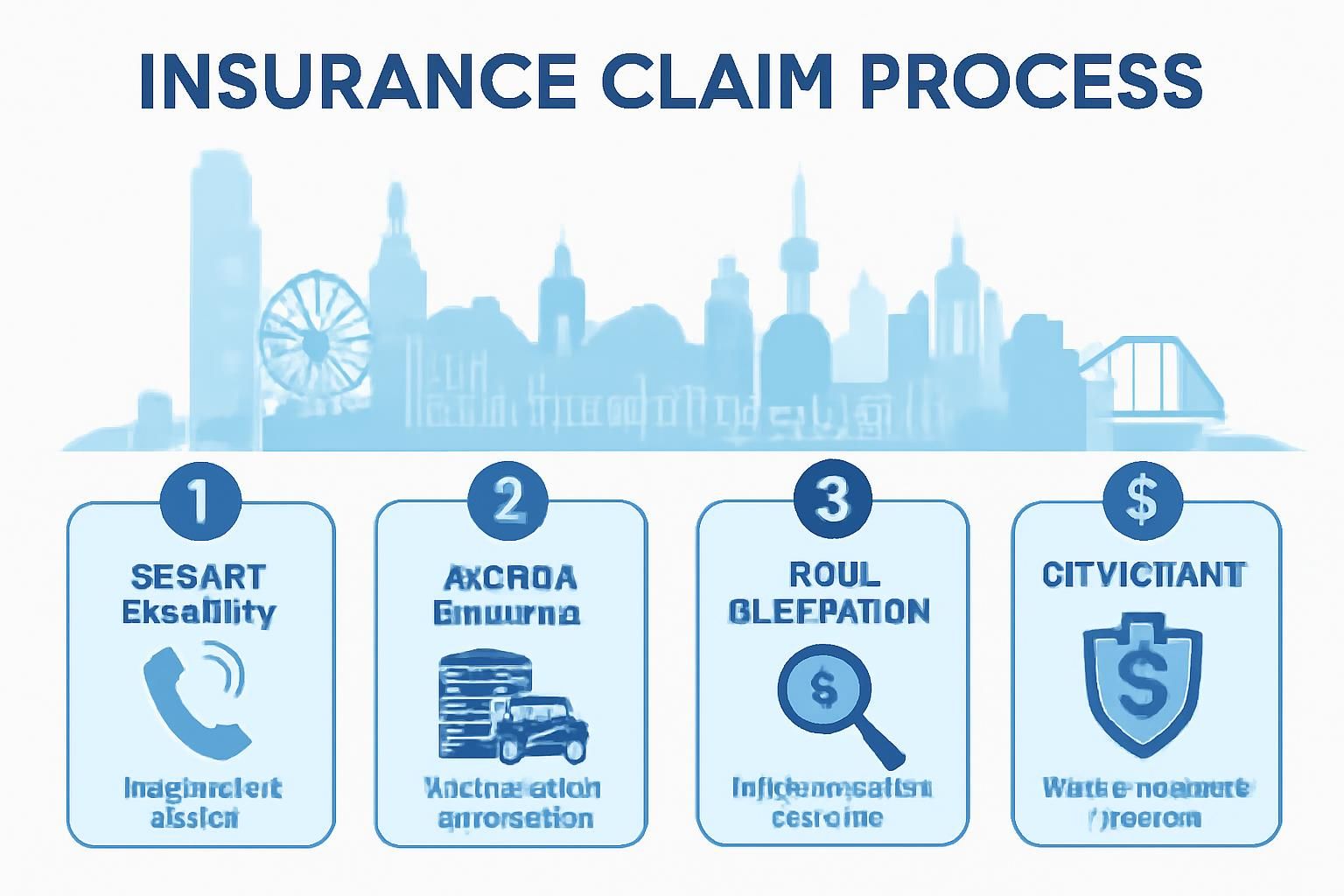
When an incident occurs that results in loss or damage, filing an insurance claim is the next crucial step. In Melbourne, the process aligns with broader Australian insurance practices but may feature localized nuances stemming from Victoria’s regulations and market environment. The claim process is a multi-stage journey that emphasizes accuracy and adherence to policy terms.
First, understanding what your insurance policy covers is essential to ensure your claim is valid. For example, car insurance policies can be comprehensive, third party property damage, or third party fire and theft. Each offers different coverages and claimable incidents. A homeowner’s insurance policy might cover fire, flooding, or theft but exclude certain natural disasters unless specified.
Beyond comprehension, preparing to file a claim requires gathering essential documentation such as photos of damage, receipts for repairs or purchases, and witness statements when applicable. Melbourne’s insurers increasingly facilitate online claim processes, offering an efficient method to file claim forms directly through their websites, such as through Zurich Australia’s claims portal. This modernization reduces the paperwork friction and expedites the start of claim assessments.
For example, if a driver in Melbourne experiences a collision, the insurance claim process involves several vital steps: securing the scene, exchanging information with other involved parties, documenting damages comprehensively with photos, and promptly notifying their insurance company. The insurer will then evaluate the claim and assess liability before formally approving or declining the claim. This systematic approach serves to safeguard both the policyholder’s interests and the insurance company’s integrity.
Importantly, Victorian legislation ensures insurers communicate claim outcomes within a specific timeframe, usually 10 business days, enhancing transparency. If a claim is rejected, the insurer must provide a written explanation, offering the claimant options to dispute the decision via bodies such as the Australian Financial Complaints Authority (AFCA). Such regulatory protection builds confidence in the insurance system among Melbourne residents and visitors alike.
Essential Immediate Actions After an Accident or Loss in Melbourne
The moments right after an incident are critical in not only ensuring safety but also setting the foundation for a successful insurance claim. If you have been involved in a car accident, property damage, or any covered event in Melbourne, knowing the immediate steps to take can significantly influence your ability to file the claim correctly.
First and foremost, if safety is at risk, or injuries occur, calling emergency services (000) is mandatory. Once safety is secured, gathering detailed contact and incident information is indispensable. In a motor vehicle accident, this includes collecting names, addresses, phone numbers, insurance company details, vehicle registration numbers, and driver’s licences from all parties involved.
Additionally, capturing photographic evidence of the incident and damages present at the scene is invaluable. These images serve as tangible proof supporting the claim, making it easier for the insurance company to verify the facts. In Melbourne’s urban environment, where traffic and pedestrian interactions can complicate incidents, photos provide clarity on how damage and accidents unfolded.
One must also document additional elements such as the accident location, descriptions of the events leading to the incident, and any witness statements available at the scene. If the police attended, securing a police report number can considerably strengthen the claim’s legitimacy and speed up processing.
In some circumstances, even if the at-fault party leaves the scene, as in hit-and-run cases, claimants must still report the incident promptly and provide as much detail as possible. It is common in such scenarios that the claimant will need to pay the insurance excess unless special conditions in their policy waive it. For example, Alisha’s case where her car was hit by a stolen vehicle and she was required to pay the excess, demonstrates the complexities that can arise.
By taking these immediate steps, claimants in Melbourne prepare a robust foundation for the ensuing insurance process while also ensuring legal compliance and safety.
Documentation and Claim Form Essentials for Filing Your Insurance Claim
An accurately completed claim form, together with comprehensive supporting documentation, is the backbone of successful claim processing by insurance companies in Melbourne. This documentation clearly illustrates the validity of the insurance claim and expedites the verification and payout process.
When filing a claim, whether online or via paper submission, it is essential to include every element requested by the insurer. This typically means:
- Completed claim form: Carefully filled with all pertinent personal details, insurance policy number, and incident specifics.
- Proof of loss or damage: Photographs before and after the incident, repair invoices, and valuations from certified experts as applicable.
- Witness statements: Statements or contact details from individuals who observed the event.
- Police reports: Required especially if the claim involves theft, hit-and-run, or serious injury.
Failing to provide full documentation can delay processing or even result in claim rejection due to insufficient evidence. Insurance companies may request additional information or clarifications at any point to strengthen their understanding of the claim details.
Many Melbourne-based insurers nowadays support quick electronic submissions of claim forms through digital portals, enabling faster responses and dedicated claims contacts. For instance, customers can utilize portals like those offered by ATC Insurance Solutions which help with tailored claim assistance and transparent communication throughout the claim lifecycle.
Being organized and prompt in submitting documentation can significantly reduce waiting times, facilitating a smoother claim process and timely repairs or compensation.
Evaluating Whether to File a Claim and Understanding Excess Payments
Not every damage or loss event merits an immediate insurance claim; sometimes it’s more practical to handle repairs independently without involving the insurer. In Melbourne, understanding when to file a claim versus out-of-pocket payments helps avoid unnecessary insurance premium increases or unwarranted administrative processes.
The key considerations when deciding to file a claim include the extent and cost of the damage relative to your insurance excess, potential premium hikes, and the specifics within your insurance policy’s exclusions and coverage limits.
For instance, Marg’s experience where her comprehensive insurance policy offered coverage for a $400 repair but her excess was $650 exemplifies why some may opt to self-fund minor repairs. She evaluated that making a claim would have cost more due to her excess payment and potential premium adjustments. This pragmatic approach is often encouraged when damage is minimal.
Understanding excess payments is critical. The excess is the amount the claimant must pay towards their claim before insurance coverage kicks in. In some cases, policies waive the excess under very specific conditions, but generally, it is payable irrespective of fault.
Reviewing your insurance policy carefully allows policyholders to make informed choices. Additionally, if you disagree with your insurer’s claim decision or treatment during the claim process, you can lodge a complaint with their Internal Dispute Resolution team and escalate unresolved cases to the Australian Financial Complaints Authority (AFCA) as an independent arbitrator.
| Decision Factor | Considerations | Impact on Claim Process |
|---|---|---|
| Extent of Damage | Minor vs. major repair costs | Minor may not warrant claim filing |
| Excess Payment | Amount payable before insurance payout | High excess may discourage claims |
| Premium Adjustments | Effect of claim on future premiums | Claims can increase renewal cost |
| Policy Coverage | Inclusions and exclusions in the policy | Only covered incidents claimable |
Common Challenges and Claim Assistance Options in Melbourne
While the insurance claim process is designed to offer support during times of need, claimants may sometimes face challenges such as claim denials, delays, or disputes regarding liability and payout amounts in Melbourne’s insurance environment.
One common challenge is when the insurance company requires additional evidence or when disagreements emerge about fault responsibilities. In such cases, professional claim assistance or brokerage services can provide advocacy and expertise to resolve conflicts effectively.
Moreover, if a claim is rejected or the insurer’s response is unsatisfactory, policyholders have the right to appeal through the insurer’s internal dispute mechanisms. If these avenues do not resolve the issue to the claimant’s satisfaction, beyond escalation to the Victorian Managed Insurance Authority claims team, claimants can seek further support from the AFCA for impartial dispute resolution.
Claim assistance can also involve third-party intervention, where licensed insurance brokers or advisors help clients understand policy details, prepare documentation, and ensure compliance with the claims process. These services can reduce anxiety and confusion for claimants navigating the intricacies of various insurance types in Melbourne.
Understanding where to turn for help and knowing your rights during the insurance claim process contributes greatly to achieving a fair outcome.
What is the first step to take after a car accident in Melbourne?
Stop at the scene, ensure safety, exchange contact details with other involved parties, and gather photographic evidence before contacting your insurance company to file a claim.
How long does the insurer have to respond to my claim?
Insurance companies in Victoria are required to respond within 10 business days after receiving your claim, either by accepting, rejecting, or requesting further information.
What documentation is essential when filing an insurance claim?
A completed claim form, photographic evidence, repair invoices, witness statements, and police reports (if applicable) are all critical to support your claim efficiently.
Can I claim if I was not at fault in an accident?
Yes, you can claim even if you were not at fault; however, you may still be required to pay an excess depending on your policy’s terms.
What should I do if my claim is rejected?
Request a written explanation, engage with the insurer’s dispute resolution team, and if unsatisfied, escalate the matter to the Australian Financial Complaints Authority (AFCA).